
Caring for an Aging Parent in Ontario
Who to call first, what is free, what the paperwork means, and how to look after yourself while you look after them. 24 short video lectures for adult children and spouses in Ontario, free. No sign-up: scroll down and press play. Every lecture includes their side: what your parent is likely feeling. Built from Ontario and Canada government sources and peer-reviewed research, and taught by Walt Henderson.
Module 1 · Getting started

Is it time? The signs your parent needs more help
Noticing the signs that a parent may need more help without jumping to conclusions, what the numbers say about falls, memory and staying at home, and what more help can mean. General information only, not medical, legal or financial advice.
Watch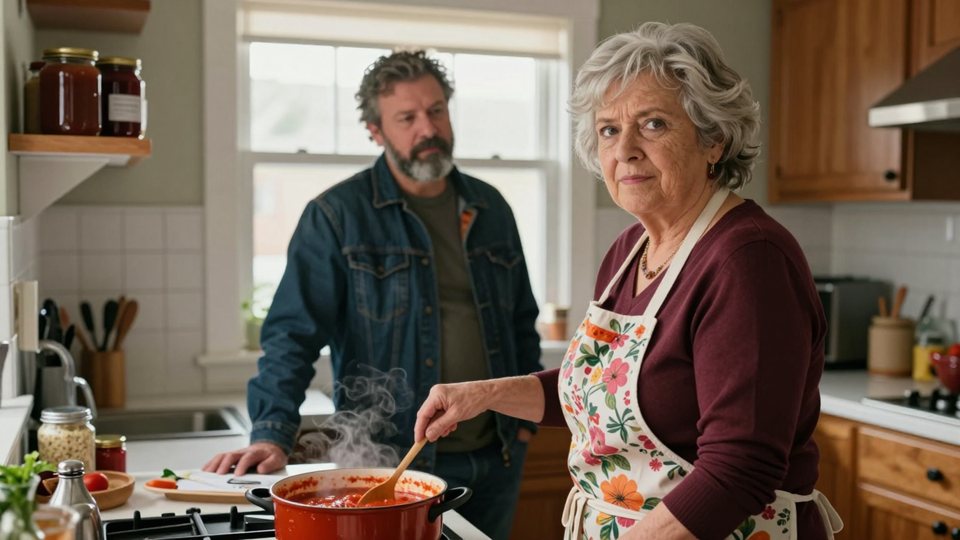
The first conversation
How to raise the subject of help with a parent who may not want it, using principles borrowed from motivational interviewing, while your parent stays in charge. The research on this is thin, and this lecture says so.
Watch
The family meeting, and brothers and sisters
Sharing decisions and information, not just chores, keeping old rivalries out of the room, and why your parent belongs at the centre of the plan.
WatchModule 2 · The paperwork, while they can still sign

Power of attorney for property
The continuing power of attorney for property: what it does, who can make one and who can witness it, what an attorney must do, and why waiting for a crisis is the most common mistake. General information only, not legal advice; have a lawyer review your own documents.
Watch
Personal care, and who decides when there's no power of attorney
The power of attorney for personal care, Ontario's ladder of substitute decision-makers, how they must decide, and the role of the Public Guardian and Trustee. General information only, not legal advice; have a lawyer review your own documents.
Watch
Advance care planning: wishes, not "living wills"
Talking about what matters, so the person who decides knows what your parent would want, and how Ontario law treats those wishes. General information only, not legal advice.
Watch
Wills basics, and finding the papers
What an Ontario will needs, what changed in 2022, what happens to a power of attorney at death, and how to find the papers before anyone needs them. General information, not legal advice.
WatchModule 3 · Money and work

Tax credits caregivers miss
The Canada caregiver amount, the disability tax credit, medical expenses and the two home renovation credits, with the 2025 and 2026 amounts and who can claim them. General information, not tax advice; amounts change every year.
Watch
Your parent's own money: pensions, top-ups and Ontario programs
A checklist of what an older parent may be owed, from Old Age Security and the Guaranteed Income Supplement to Ontario's drug, dental and property tax programs, and which ones need an application. General information, not financial advice; amounts change.
Watch
Keeping your job: leaves, EI and your rights at work
Ontario's unpaid, job-protected caregiving leaves, the EI caregiving benefits that can pay part of your wages, your rights under the Human Rights Code, and why you shouldn't quit first. General information, not legal or financial advice.
WatchModule 4 · The care system
Home care and community support: Ontario Health atHome
What Ontario pays for at home, how to ask for an assessment without a doctor's referral, what the hours really look like, and the community services and respite around home care.
Watch
Retirement home or long-term care?
Two very different places under different laws: who each is for, who pays what, how you get in, and how to check a home before you sign.
Watch
Applying for long-term care
How the long-term care application works in Ontario: the assessment, your five choices, bed offers and their deadlines, priority categories, and what to ask while you wait. General information only, not legal or financial advice.
Watch
Leaving hospital: alternate level of care and Bill 7
What happens when the hospital says your parent no longer needs hospital care: the alternate level of care designation, what a 2022 law lets a placement coordinator do without consent, the distance limits and the daily charge, and what families can ask for. General information only, not legal advice; the Advocacy Centre for the Elderly gives free legal advice to older adults.
WatchModule 5 · Health and safety at home
Falls, and a safer home
Why falls matter, the four things Ontario says lower the risk, and which programs help pay for changes to the house and for mobility aids. General health information only, not medical or financial advice; talk to your parent's doctor.
Watch
Medications, hearing and vision
A free pharmacist review, what deprescribing means and why it must be planned with the prescriber, what the best trial says about hearing aids and thinking, and why hearing and sight matter for staying connected. General health information only, not medical advice; never stop or change a medication on your own.
Watch
The driving conversation
Talking about driving early, what the research says about stopping, what the law requires of doctors, how the licence renewal works from age eighty, and planning rides before anyone takes the keys. General information only, not medical or legal advice.
WatchModule 6 · Dementia

Is it dementia? Signs, normal aging and getting a diagnosis
Telling worrying changes from ordinary forgetting using the Alzheimer Society's ten warning signs, how common dementia is in Canada and how the two counts differ, and the first steps to a diagnosis and to First Link. General health information only, not medical advice.
Watch
Living with dementia: talking, responsive behaviours and staying safe
What helps day to day when dementia is at home with you, what the evidence says about ways of talking and about sedating drugs, and how to plan for getting lost. Content note: mentions aggression and the risks of some medications. General information only, not medical advice.
WatchModule 7 · Protecting your parent, and yourself
Elder abuse, power-of-attorney misuse and scams
The five kinds of elder abuse, what counts as a crime when a power of attorney is misused, and exactly who to call, including when the person causing harm is family. Content note: elder abuse, including abuse by family members. General information only, not legal advice.
Watch
Caregiver burnout, breaks and help that works
How to tell tiredness from strain, what the surveys and trials say about caregiver depression, breaks and coaching programs, and the Ontario help lines to call before you break. Content note: caregiver depression; if you are in crisis, call or text 988. General information only.
Watch
Guilt, moving into care, and your new role
What families feel when a parent moves into long-term care, what the research says about guilt, grief and relief, and the roles family still plays after the move. General information only, not medical or legal advice.
WatchModule 8 · The end of life
Palliative care, hospice and the last weeks
What palliative care is, where it happens and what it costs in Ontario, what the last weeks can look like, the leave and benefits that protect your job, and one neutral paragraph of facts on medical assistance in dying. Content note: death and dying, and medical assistance in dying. General information only, not medical advice.
Watch
Grief, the first tasks after a death, and a send-off
Grief for the caregiver, the first practical steps after a death in Ontario, the federal benefits that reward applying early, and a send-off with the help lines. Content note: death and grief. General information only, not legal or financial advice.
Watch