
Boating Card Prep
Get ready for Canada's Pleasure Craft Operator Card test and a safe season on the water. 19 short video lessons, free. No sign-up: scroll down and press play. Taught by Lenore. Take the test itself with any Transport Canada-accredited provider.
Module 1 · The card and the exam

The card, the test, and this course
Who needs proof of competency (any boat fitted with a motor, even a small electric one), why you carry the card itself, what the test asks, and what this free prep course is and isn't.
Watch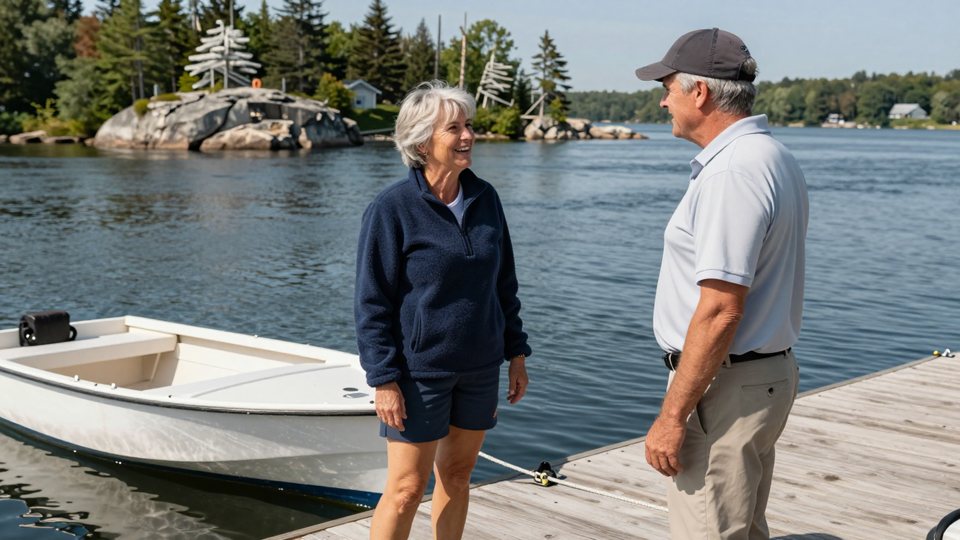
Proof on board: young operators, visitors and rental boats
The age and horsepower limits for young operators, why no one under sixteen may drive a personal watercraft, when visitors need proof, and how the rental boat safety checklist works. General information, not legal advice.
WatchModule 2 · Know your boat
Boat talk: the words the test uses
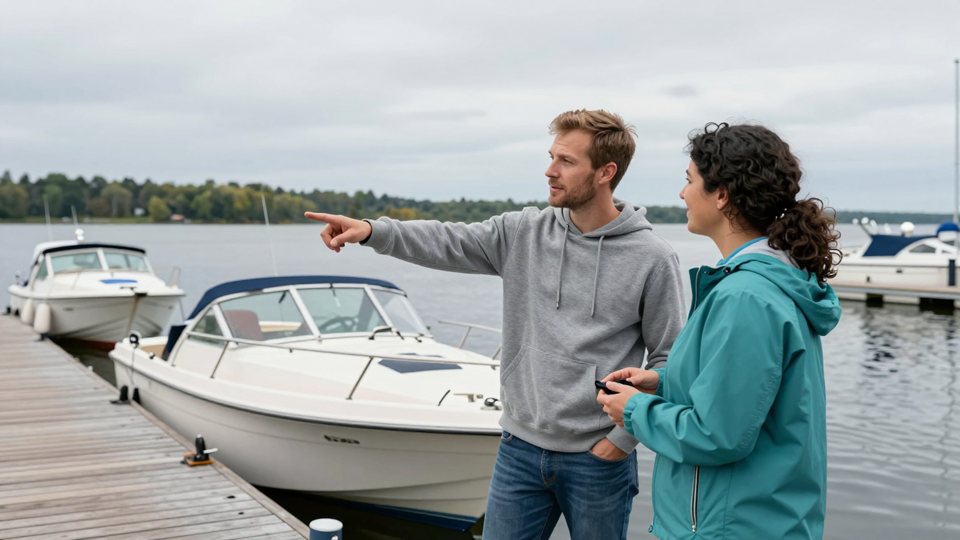
The boating terms the test expects in English: bow, stern, port and starboard, underway, power-driven and sailing vessels, the special vessel categories, abaft the beam, and three equipment definitions.
Watch
Your boat's paperwork: the compliance notice, the licence and registration
What the compliance notice (the capacity plate) tells you, which boats need a pleasure craft licence, what it does and doesn't prove, and how registration differs. General information, not legal advice.
WatchModule 3 · Required safety equipment

Lifejackets and personal flotation devices: wear it, don't just carry it
The one-per-person rule, the difference between a lifejacket and a personal flotation device, who can't use an inflatable, how a child's device should fit, and why wearing one matters.
Watch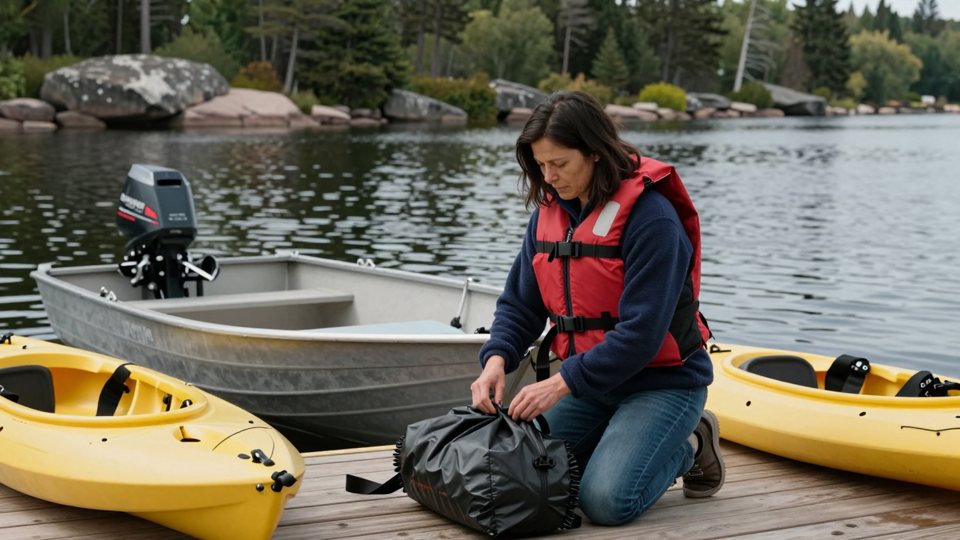
The equipment list, by boat length and type
The Small Vessel Regulations' equipment list for a power boat six metres or under, what changes over six and nine metres, the shorter lists for personal watercraft and paddle craft, and flare dates and exemptions.
WatchModule 4 · Before you go

Weather, charts and the trip plan
Where to get marine forecasts, what strong wind, gale and storm warnings mean, when you must carry charts, and how to leave a trip plan that brings help if you're late.
Watch
Fuelling, loading and the pre-departure check
Fuelling by the rules, why fuel vapour is dangerous, the rule of thirds, loading and balance, and the checks and guest briefing before you leave the dock.
WatchModule 5 · Rules of the road
Lookout, safe speed and who gives way
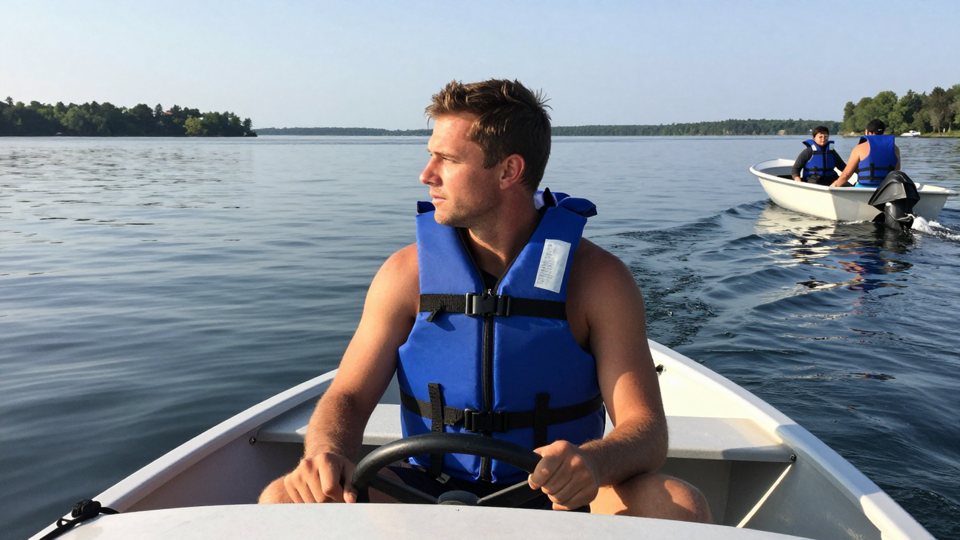
Lookout, safe speed and risk of collision under the Collision Regulations, who gives way when crossing, meeting head-on and overtaking, and the pecking order between boats.
Watch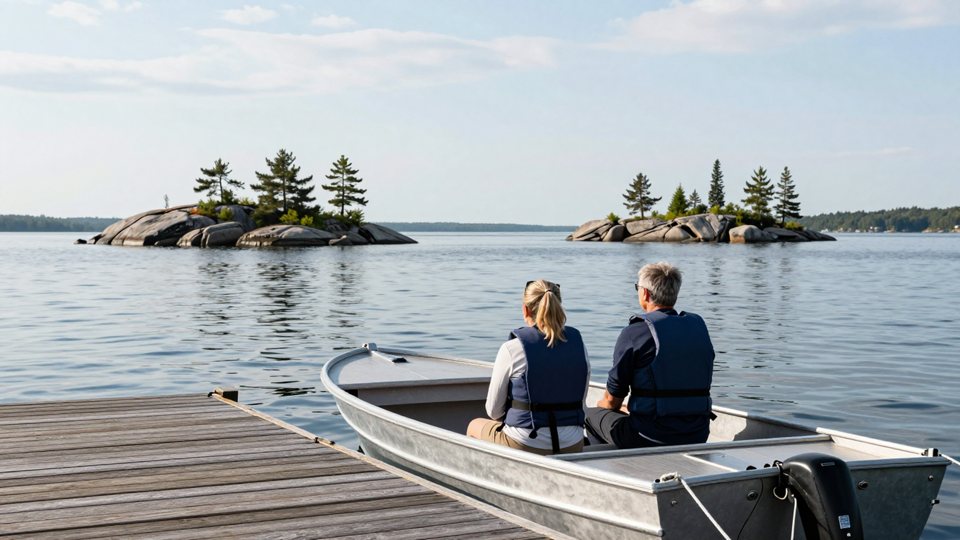
Lights at night, signals in fog
When navigation lights are required and what they look like, how to read another boat's lights at night, the main sound signals, and what to do in fog.
WatchModule 6 · Buoys and aids to navigation
Lateral buoys: red on the right, going upstream
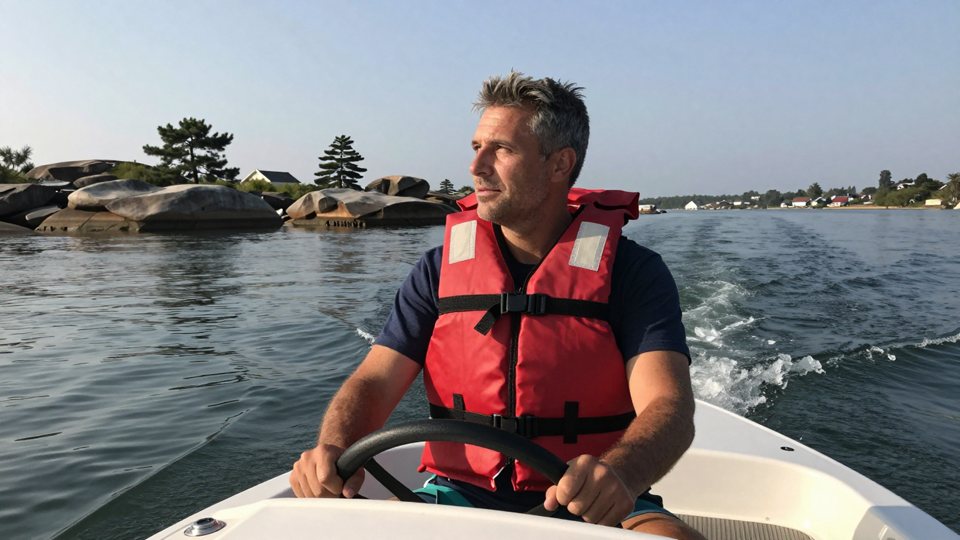
Which side to keep red and green buoys on, what upstream means, how buoy numbers and shapes help, the bifurcation, fairway and isolated danger marks, and why the chart settles the direction of buoyage on the Saint Lawrence.
Watch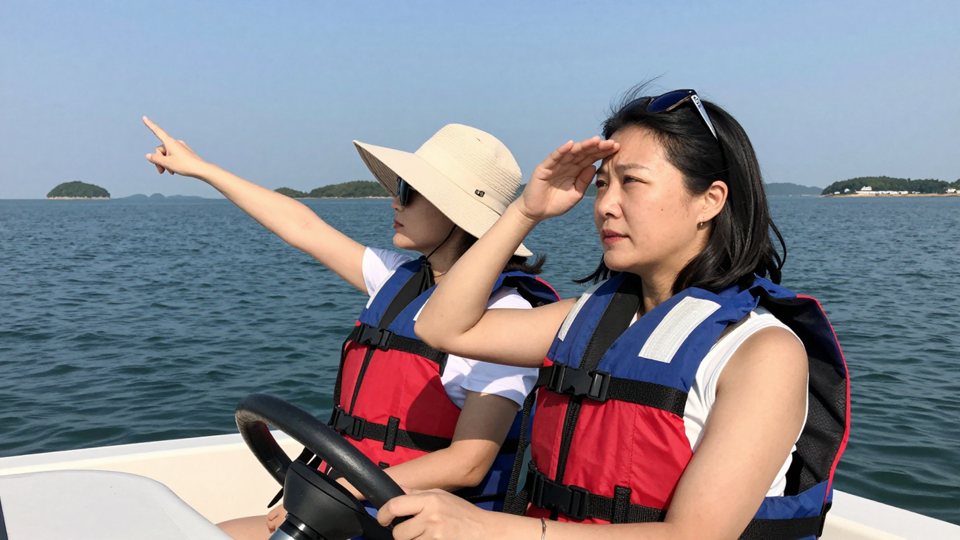
Cardinal and special-purpose buoys, and reading a chart
What white and orange special-purpose buoys mean, how the cones on a yellow and black cardinal buoy point to safe water, your duty to report a damaged or missing buoy, and why a paper chart backs up every screen.
WatchModule 7 · Laws on the water

Impaired boating, alcohol aboard, speed near shore and wake
Why impaired boating is the same Criminal Code offence as impaired driving, Ontario's rules on alcohol aboard, the ten kilometres an hour limit within thirty metres of shore and its exceptions, and your responsibility for your wake. General information, not legal advice.
Watch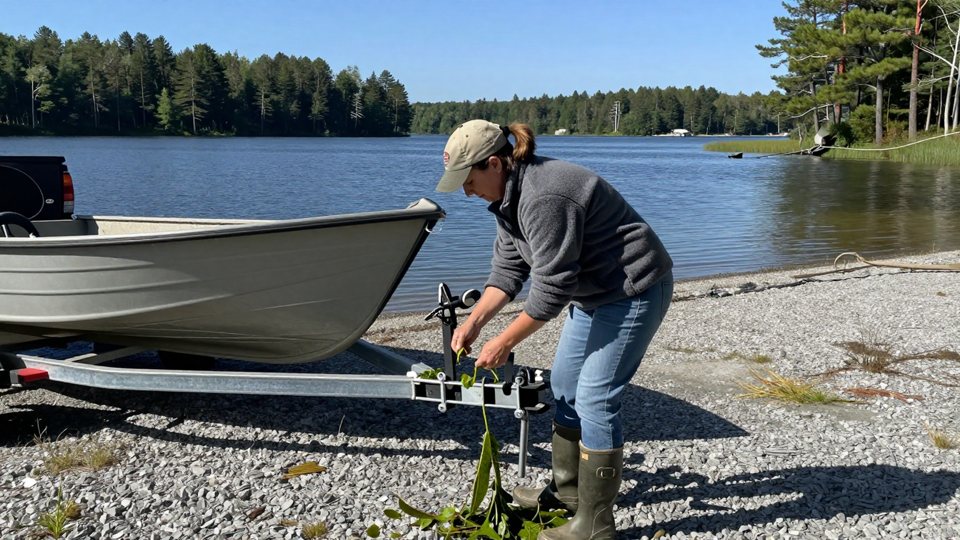
Pollution, sewage and invasive species
Ontario's drain-plug and weed-removal law for anyone hauling a boat, Clean, Drain, Dry, Ontario's sewage rule for pleasure boats, which counts garbage as sewage, and how to keep fuel and oil out of the water. General information, not legal advice.
WatchModule 8 · Emergencies
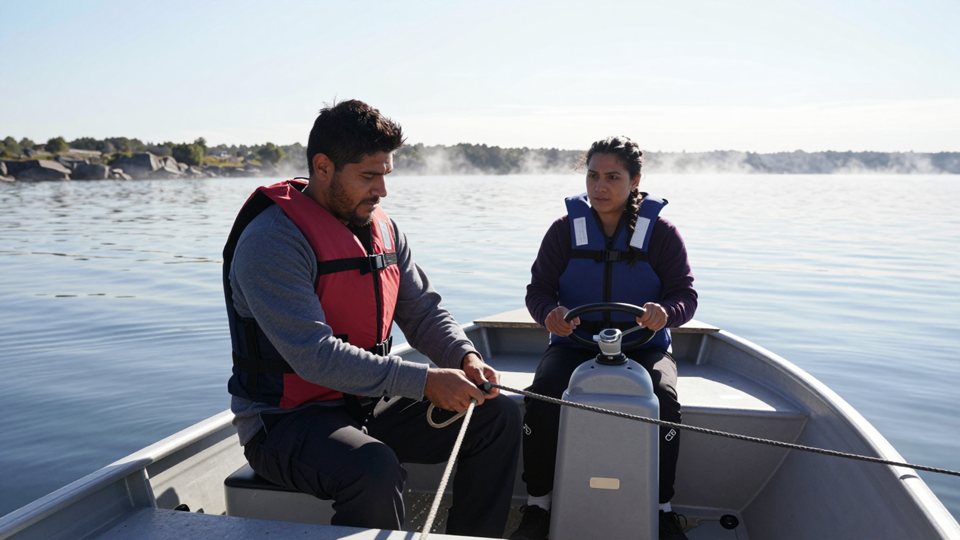
In the water: cold shock, capsizing and person overboard
What cold water does in the first minute, the one ten one principle from Transport Canada's Safe Boating Guide, how to slow heat loss if you capsize, and the steps and turns for bringing back someone who falls overboard.
Watch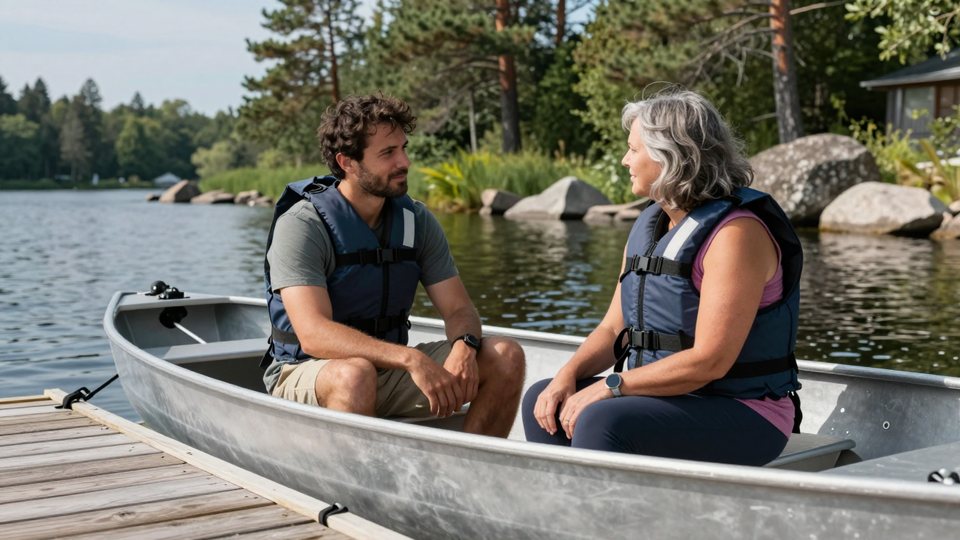
Fire, running aground and calling for help
Transport Canada's first-response order for any emergency, how to fight a small fire aboard, what to do about running aground, and how to call for help: marine radio channel sixteen, Mayday versus Pan-Pan, the Ontario marine search and rescue line, and your duty to help others.
WatchModule 9 · Sharing the water, and final review
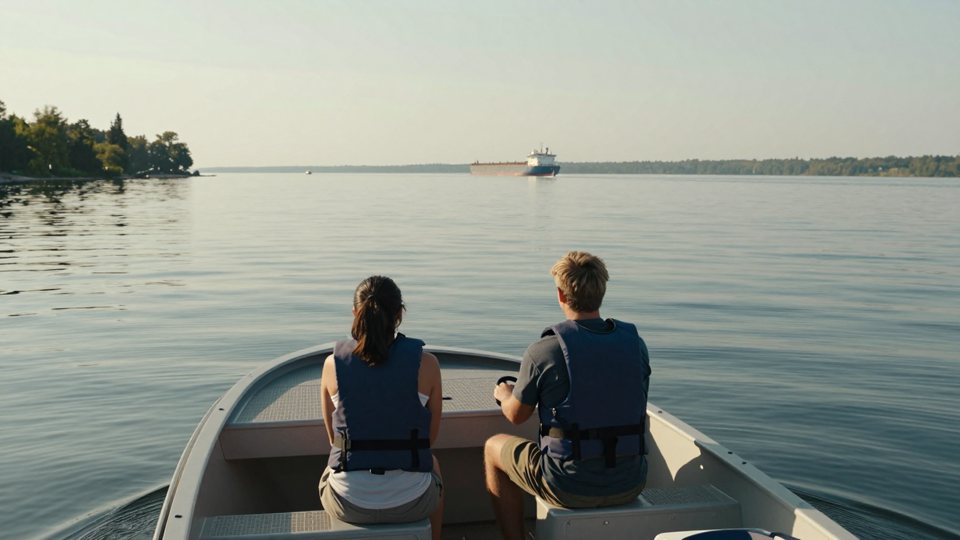
Big ships, narrow channels and the Seaway
Why large ships can't see you or stop for you, the narrow-channel and river-crossing rules in the Collision Regulations, the danger signal, and the Saint Lawrence Seaway's own rules for small boats, including lifejackets for everyone aboard in the locks.
Watch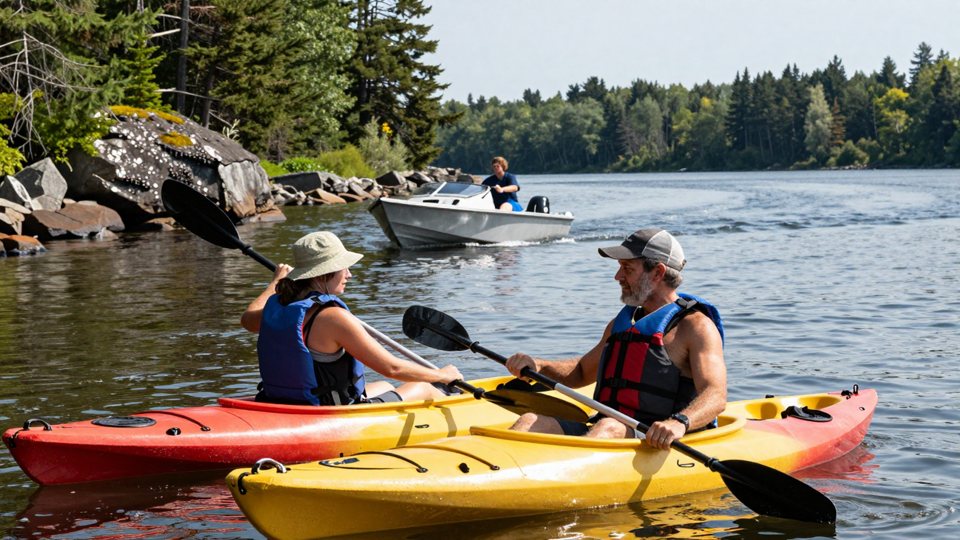
Paddlers, swimmers, divers, skiers, and carbon monoxide
The towing rules for skiers and tubers, how to share the water with canoes, kayaks, swimmers and divers, the two dive flags, and why carbon monoxide under a swim platform can kill in minutes.
Watch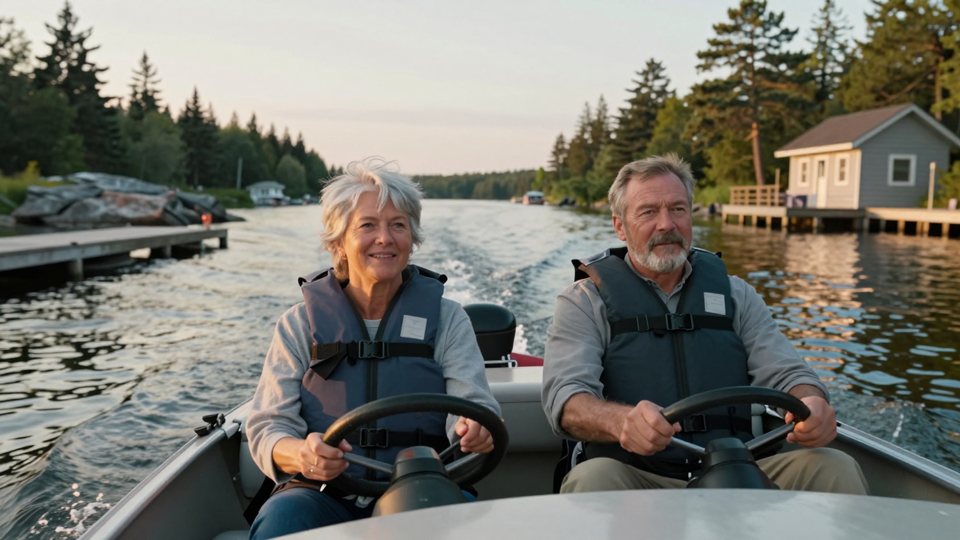
Final review, and how to book your test
The four areas every accredited course covers, the biggest rules from this course in one breath each, and how to get your card: find a provider on Transport Canada's list, take a course or challenge the test, and pass with seventy-five percent. The card is good for life.
Watch