
How to Become a Beekeeper in Ontario
31 short video lectures, free. No sign-up: scroll down and press play. Everything is built from Ontario government, university and beekeeping-association sources, taught by Buzzy Brannigan.
Module 1 · Before you start

Is beekeeping for you?
What beekeeping really asks of you in Ontario: seasonal time, stings, lifting, patience for honey, and winter losses that ran about 43 percent for small-scale beekeepers in 2024–25. Why you should start with two hives, never one.
Watch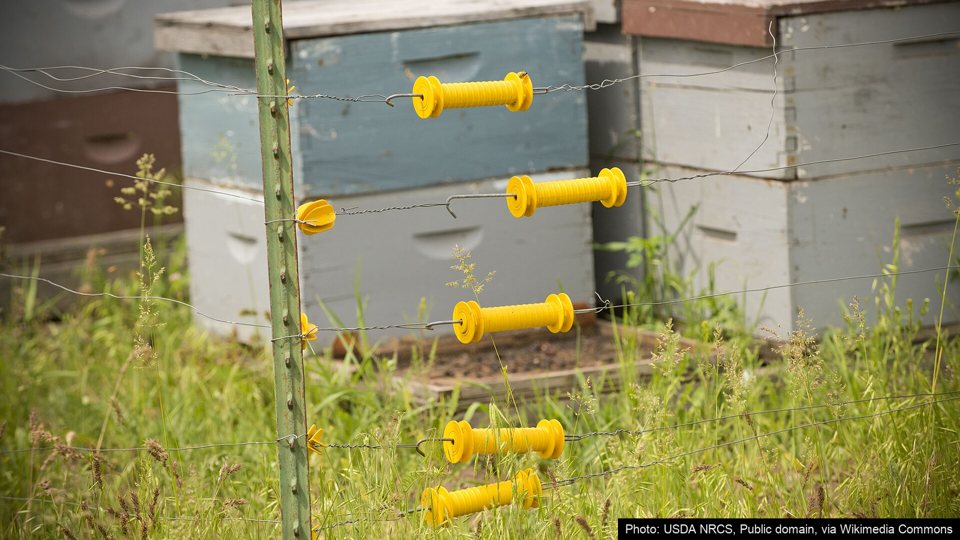
The rules in Ontario
The Bees Act in plain language: free registration before you get bees, the 30 metre and 10 metre setbacks, movable frames, the apiary sign, reporting disease, permits for bees and used equipment, inspections, and checking your municipality.
Watch
What it costs, and when to start
A two-hive first-year budget from Ontario supplier prices (September 2026): about $1,470 careful, $2,020 typical, before HST. Why you reserve nucs in the fall or winter before, what to do while you wait, and what a July start means.
WatchModule 2 · The colony

Queen, workers and drones
The three kinds of bee in every colony: how long each takes to develop (16, 21 and 24 days), what each one does, and why a queen and a worker start as the same egg. Why eggs, not the queen, are what you look for.
Watch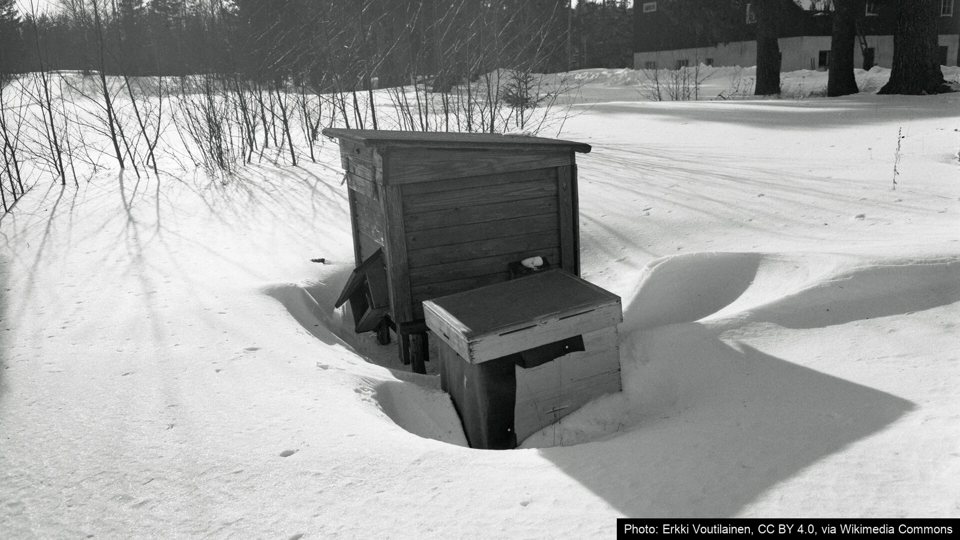
The colony's year
An Ontario colony's year: the winter cluster, spring build-up on willow, maple and dandelion, swarm season, the summer flow, the fall flow on goldenrod and aster, and the winter bees raised in late summer. Why you follow the bees, not the calendar.
Watch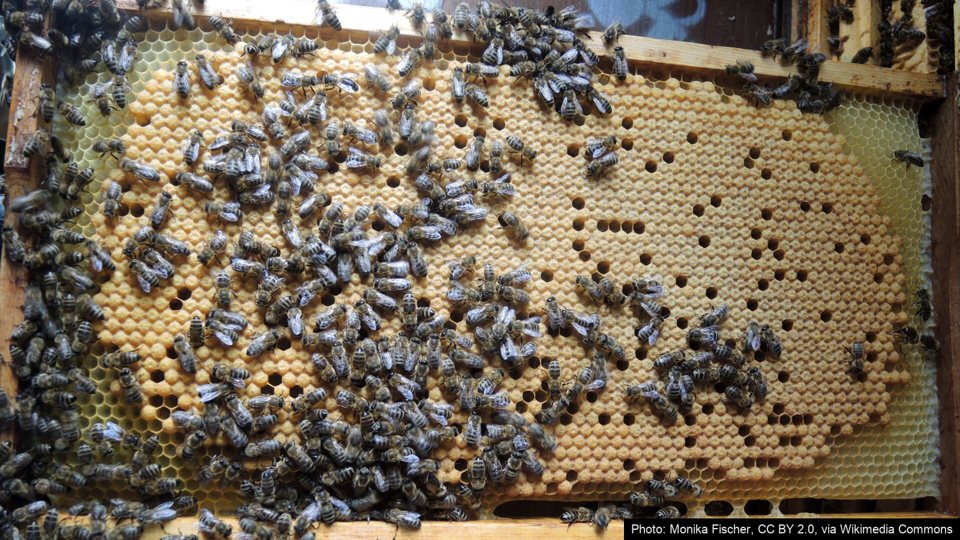
What a healthy colony looks like
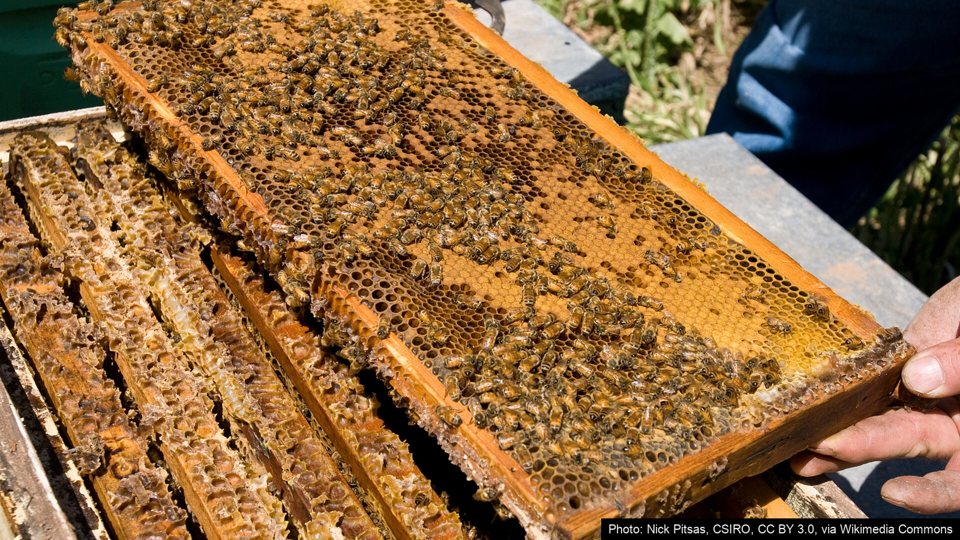
Reading a frame: a solid, compact brood pattern, pearl-white larvae, even convex cappings, at least two frames of honey, and a calm temperament. What 'spotty' brood can mean, and why you look closer rather than guess.
WatchModule 3 · Equipment and your site
The Langstroth hive, part by part
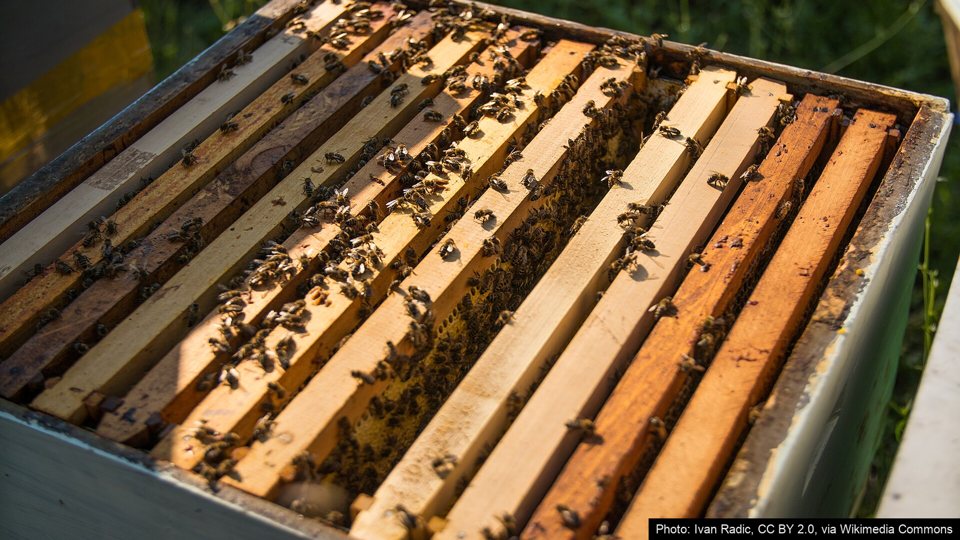
The standard hive, from the ground up: stand, bottom board, brood boxes, frames and foundation, the optional queen excluder, inner cover and outer cover. Why Ontario beginners use Langstroth, and why every part must be a standard size.
Watch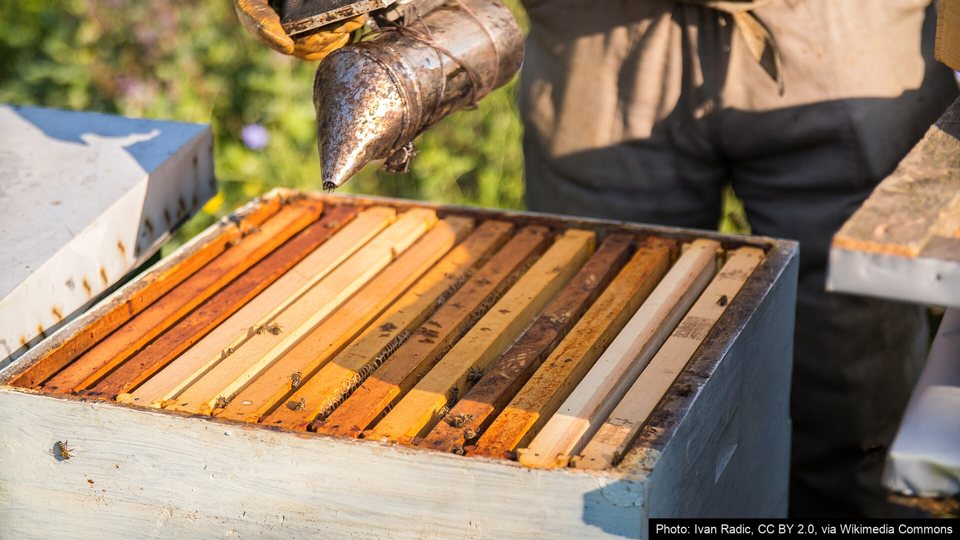
Tools and protective gear
What you really need to open a hive: a veil every time, the trade-off with gloves, light-coloured clothing, the smoker and safe fuels, and the hive tool. Plus the biosecurity habit that keeps disease out of your yard.
Watch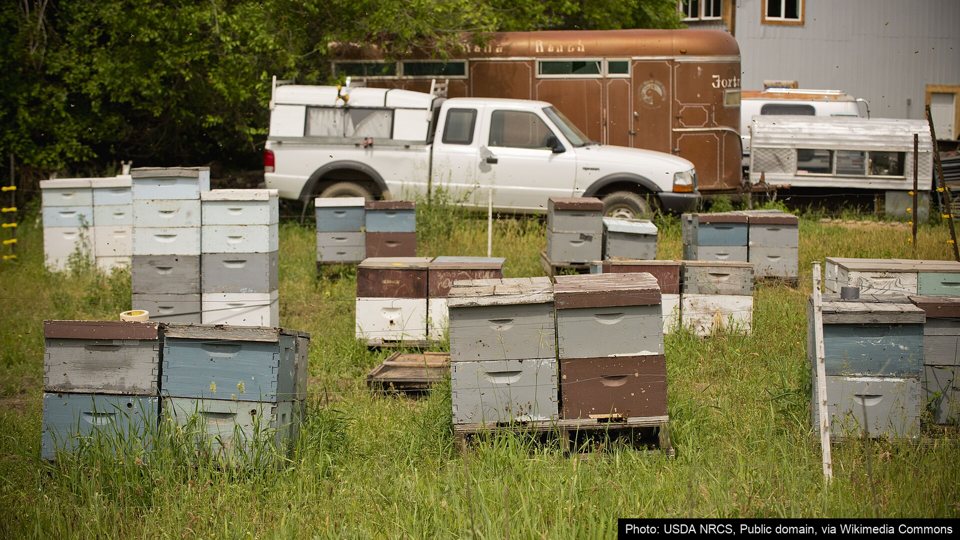
Choosing your apiary site in Ontario
Where to put your hives: the legal setbacks first, then sun, shelter from wind, dry ground, water, forage, vehicle access, neighbours and flight paths, and wildlife. Why a damp, shady corner is the wrong place.
WatchModule 4 · Getting your bees
Nucs, packages and swarms
Three ways to get bees in Ontario: the four-frame nuc (and spring vs summer nucs), imported packages (US packages are not allowed), and swarms, which can carry disease. What to ask a seller.
Watch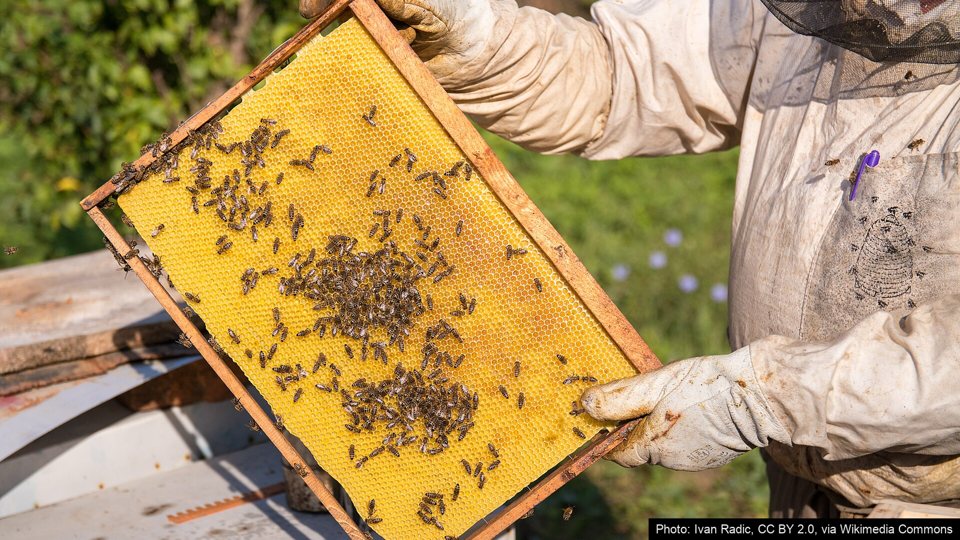
Installing your first colony
Moving a nuc into its new hive, gently; feeding 1:1 syrup in an in-hive feeder; how a package install differs; and why the check for eggs about a week later matters.
Watch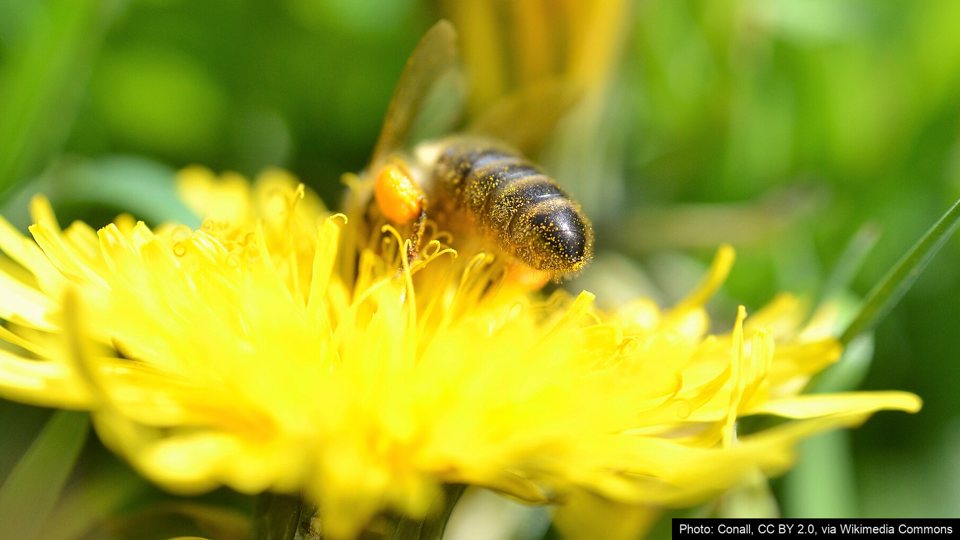
What blooms when in Ontario
The order of Ontario's nectar and pollen year: willow, fruit trees and maple, then dandelion, clover and basswood, a quieter late summer, and goldenrod and aster in the fall. Why you watch the flowers, not the dates.
WatchModule 5 · Working the hive
Your first inspection
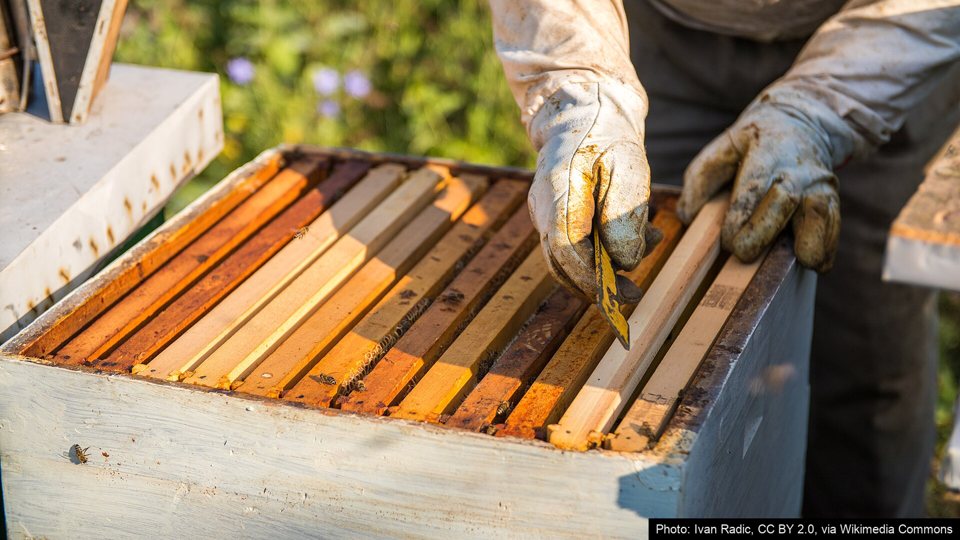
When to open a hive, how to lift frames without crushing bees, the four things you look for, how to protect the queen while you work, and what to do if you find no eggs.
Watch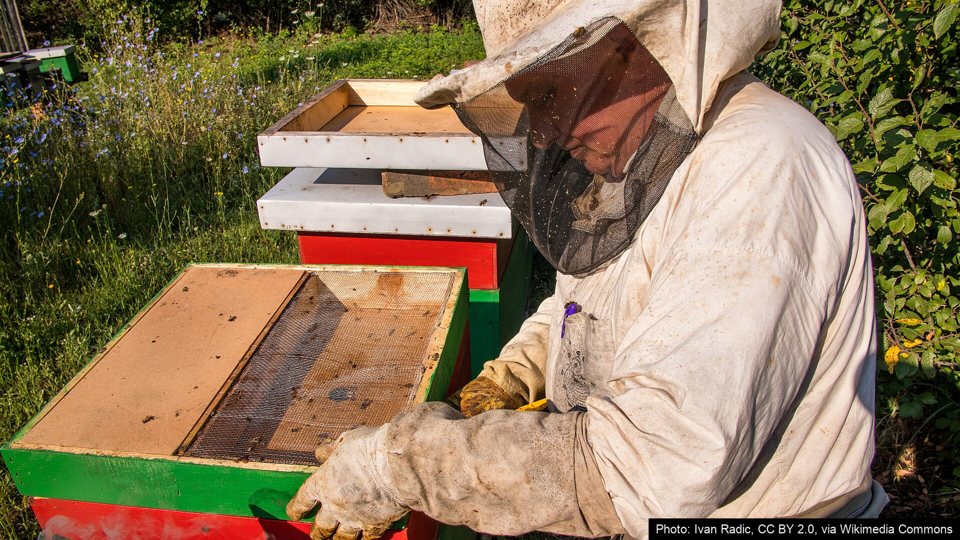
How often to inspect, and what to write down
Every two weeks, every seven to nine days in swarm season, quick checks only in early spring, and monthly mite counts. The records Ontario's regulation requires, and the simple notes that let you spot trouble early.
Watch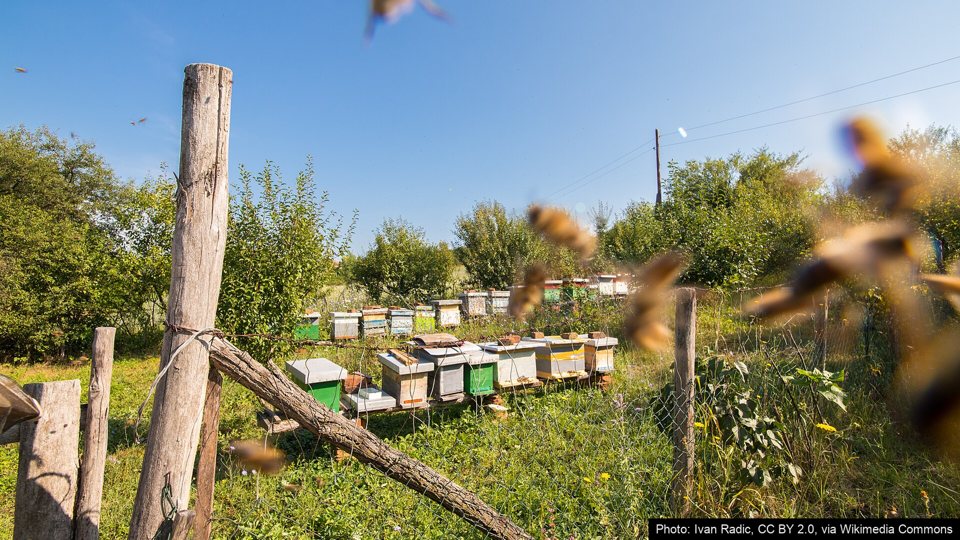
Feeding: when, what, and when never
Heft the hive, feed 1:1 syrup in spring in an in-hive feeder, stop when dandelions bloom, never feed with honey boxes on, and in fall feed at least 15 litres of 2:1 syrup, finished by mid-October.
WatchModule 6 · Varroa, the number one killer
Why Varroa kills colonies
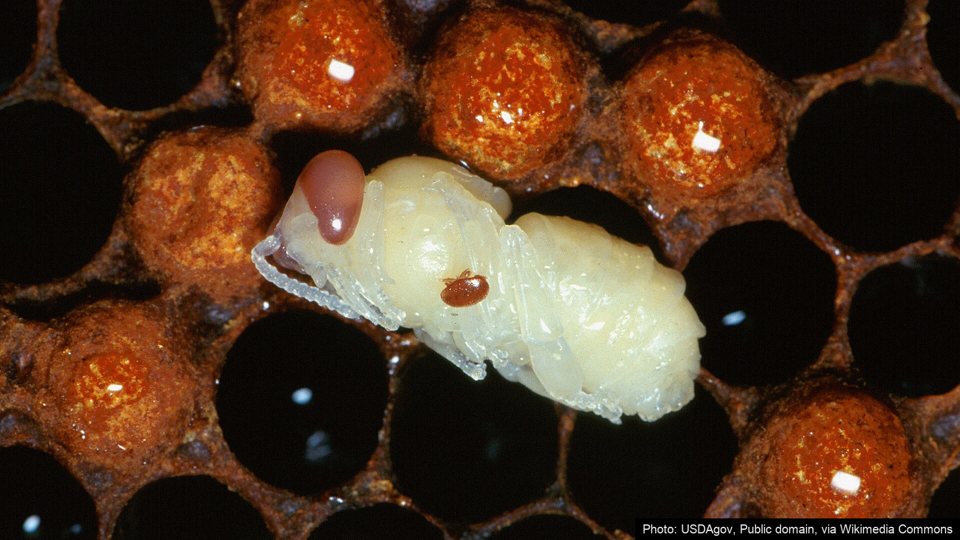
How a mite smaller than a sesame seed breeds inside capped brood, spreads deformed wing virus and peaks just as the winter bees are raised. Ontario's ministry names poor Varroa control as the primary cause of winter losses.
Watch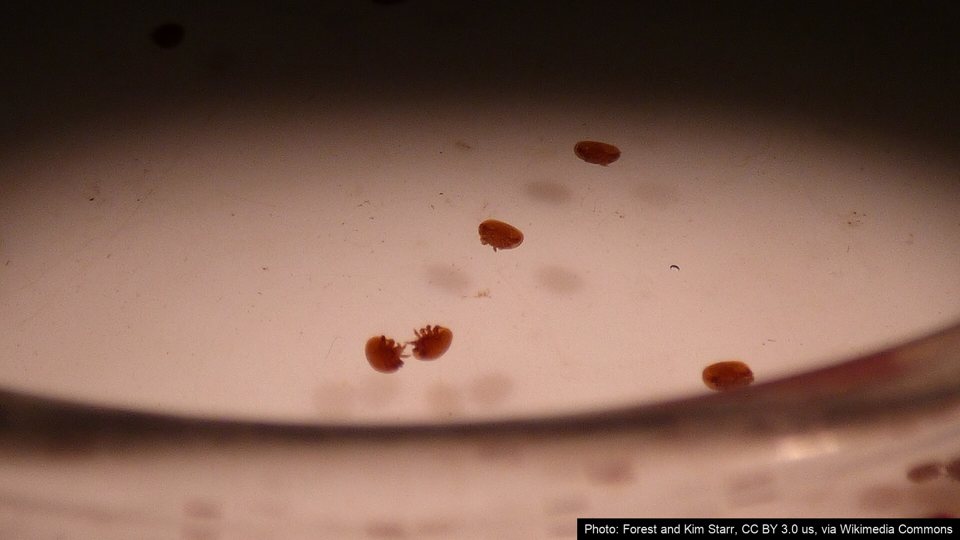
Counting mites
The alcohol wash step by step (about 300 bees, count the mites, divide by three), the sugar roll and the sticky board, and how often to sample: monthly is now advised in Ontario, and always before and after a treatment.
Watch
Thresholds: when to treat
The numbers that tell you to treat: this course uses the stricter of the Ontario ministry's two published thresholds, above 1 mite per 100 bees in spring and above 2 in late summer, and below 3 percent by 1 October. Why late summer is the deadline that matters.
Watch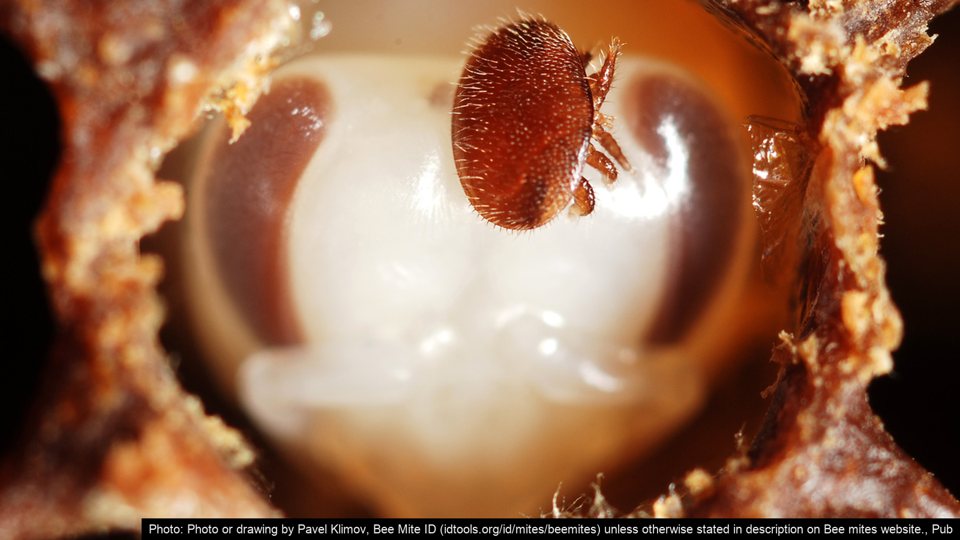
Treatments registered in Canada
The label is the law: only products registered for use in Canada, used exactly as labelled. The main treatment groups, which may be used with honey supers on, why temperature and brood matter, rotating products against resistance, and drone-brood removal.
WatchModule 7 · Other pests and diseases
American and European foulbrood
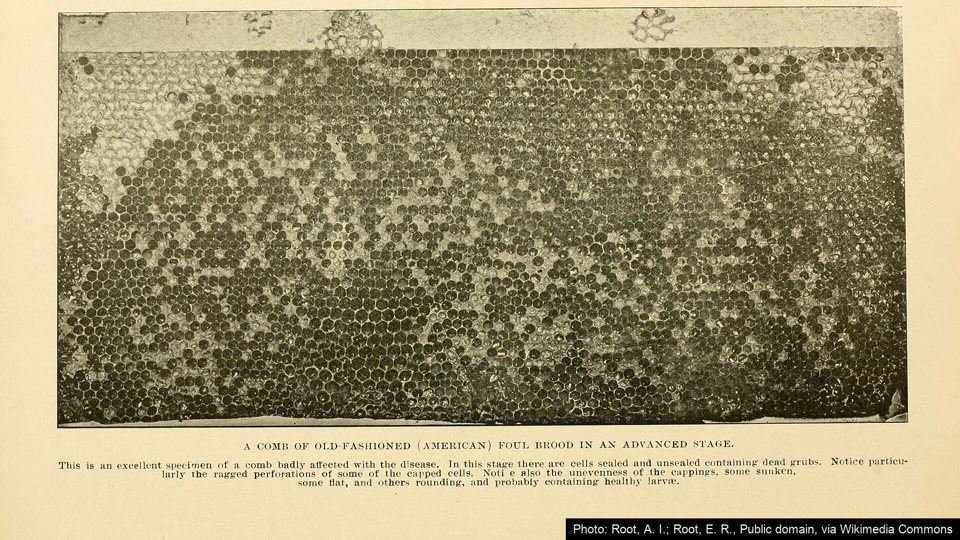
The two bacterial brood diseases every Ontario beekeeper must report: how to recognise them (spotty brood, sunken greasy cappings, the ropy test), why American foulbrood hives are burned, and why antibiotics need a veterinarian's prescription.
Watch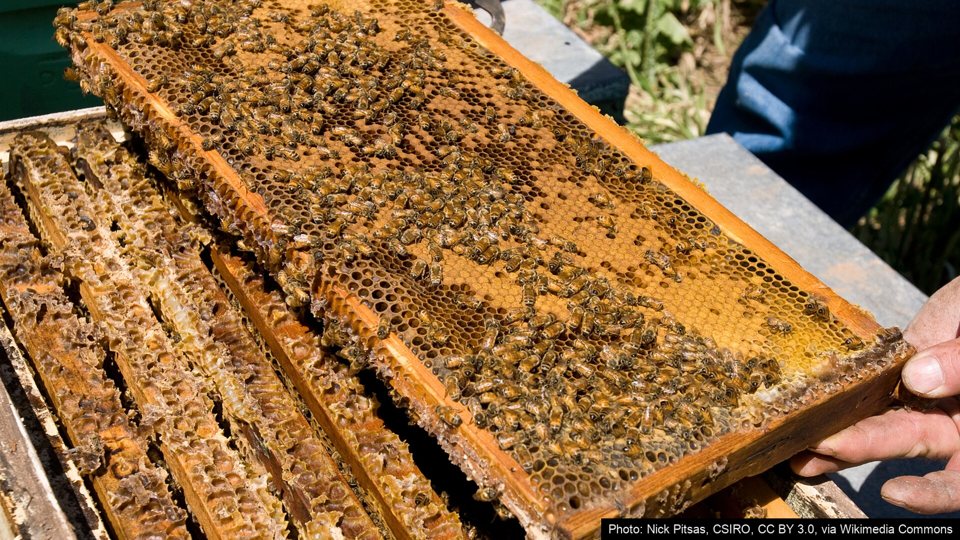
Nosema, chalkbrood, sacbrood, viruses and tracheal mites
The quieter diseases: nosema (common in Ontario, diagnosed only by microscope), chalkbrood mummies, sacbrood, the viruses Varroa spreads, and tracheal mites. What each looks like, and what is and isn't registered to treat it.
Watch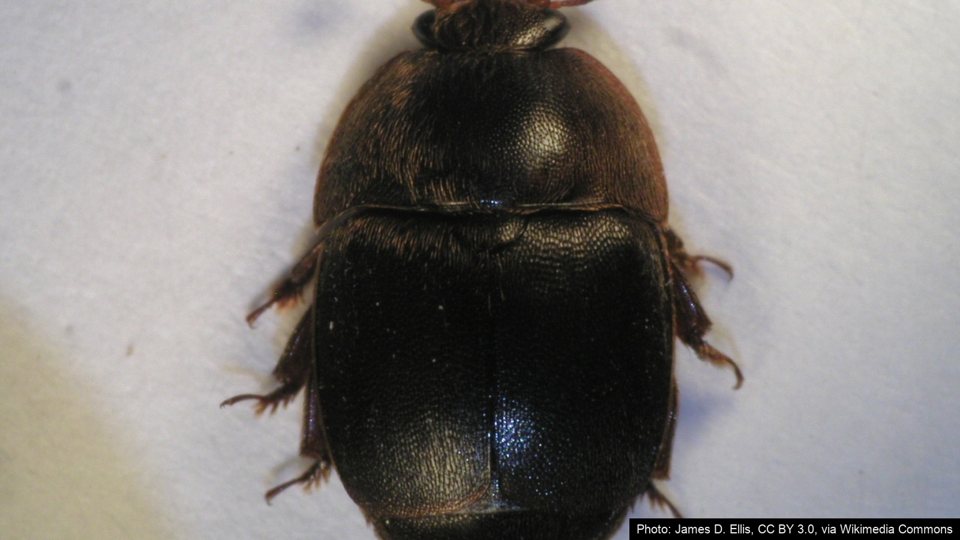
Beetles, moths, bears and pesticides
Small hive beetle (reportable, no registered chemical treatment), wax moth in stored comb, bears and other wildlife, and suspected pesticide poisoning: collect and freeze about 350 bees and call the Spills Action Centre (1-800-268-6060) and Health Canada's pesticide incident line (1-800-267-6315).
WatchModule 8 · Swarms and queens
Why colonies swarm, and how to stop it
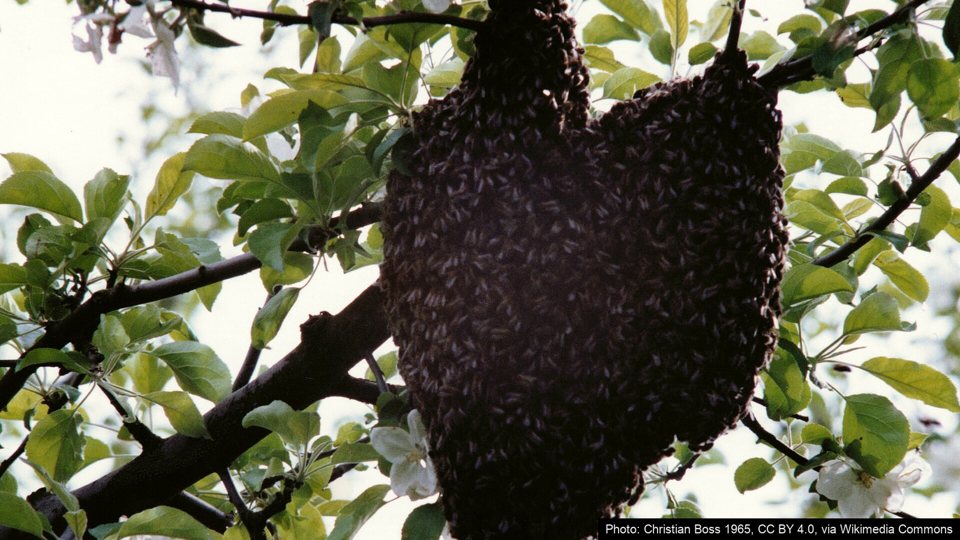
Swarming is how a colony reproduces, and crowding, not strength, sets it off. How to spot swarm cells, why you inspect every 7 to 9 days before and during the main flow, and how room, splits and young queens prevent it.
Watch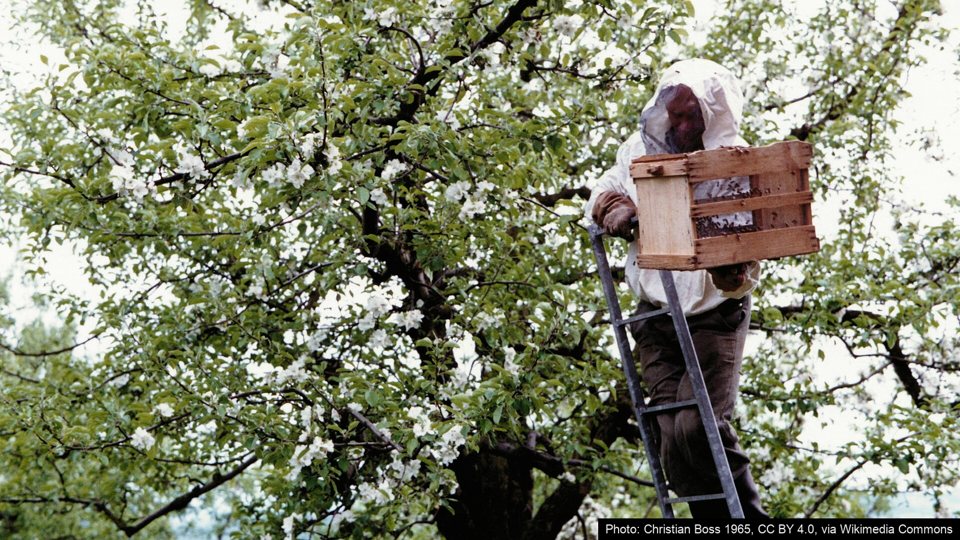
Catching a swarm
Your legal right under Ontario's Bees Act to recover a swarm from a neighbour's land, and its conditions; how to shake a swarm into a box and hive it; and why a swarm goes on new foundation in a separate yard until you know it's healthy.
Watch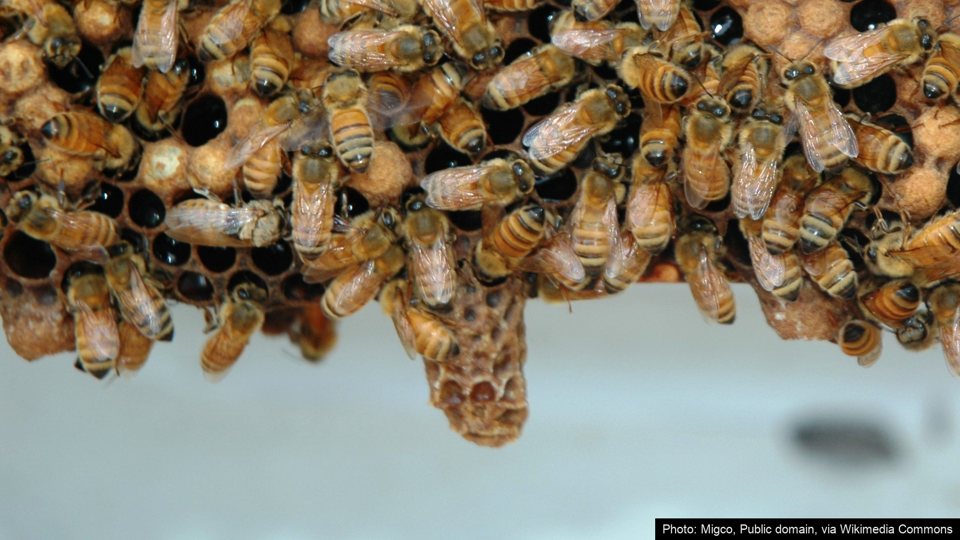
Queens: supersedure, emergencies and laying workers
The three reasons a colony raises queens, and how the cells tell them apart; what a queenless colony and a laying-worker colony look like; when to requeen; and the queen colour code, Will You Raise Good Bees.
WatchModule 9 · Honey

When honey is ready
Why capped honey is usually, but not always, ripe; measuring water content with a refractometer and the Canada No. 1 limit of 17.8 percent; taking supers off by mid-September in Ontario; and the two rules that keep syrup and treatments out of your honey.
Watch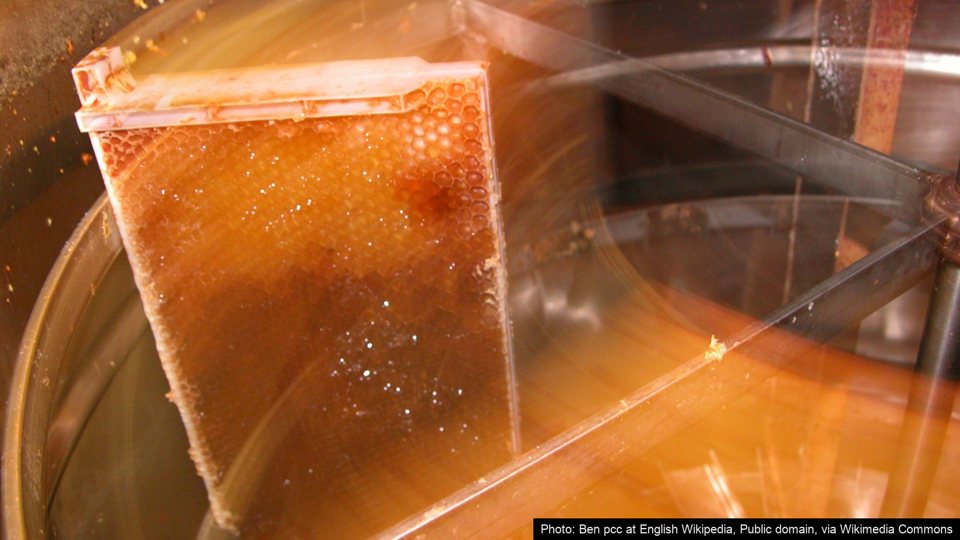
Harvest and extraction
From hive to jar: clearing bees off the supers, uncapping, extracting, settling and straining, keeping your beeswax, why crystallized honey is fine, and why prompt extraction and a clean workspace matter in Ontario. Borrow an extractor first.
Watch
Selling honey in Ontario
The farm-gate exemption for honey sold at your own home, and the full grade, colour-class and label rules everywhere else. Containers, when a federal licence applies, and why to check your insurance before you sell.
WatchModule 10 · Winter and your first year
Getting a colony ready for an Ontario winter
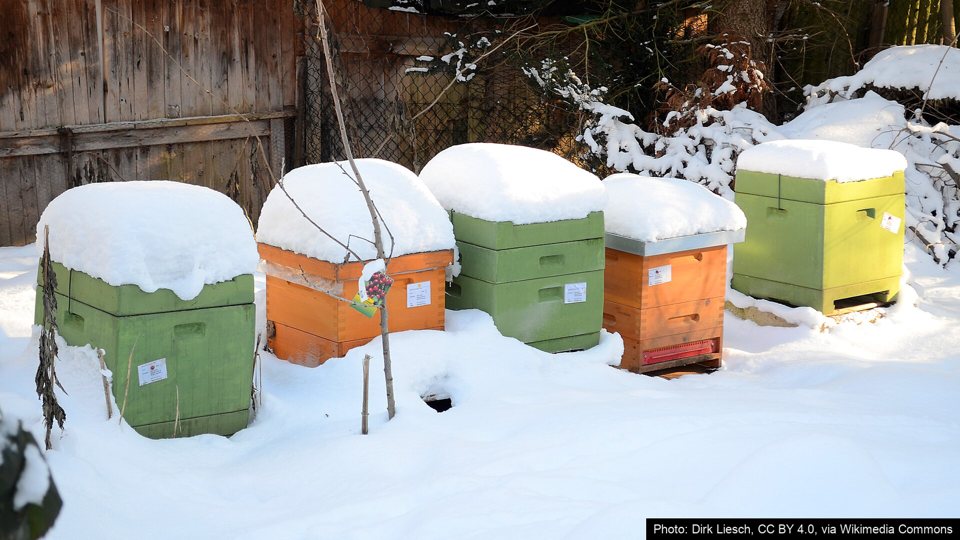
The four jobs that decide whether a colony sees spring: mites below three per hundred bees by 1 October, fifteen litres of thick syrup finished by mid-October, a strong cluster, and a wrapped, vented hive.
Watch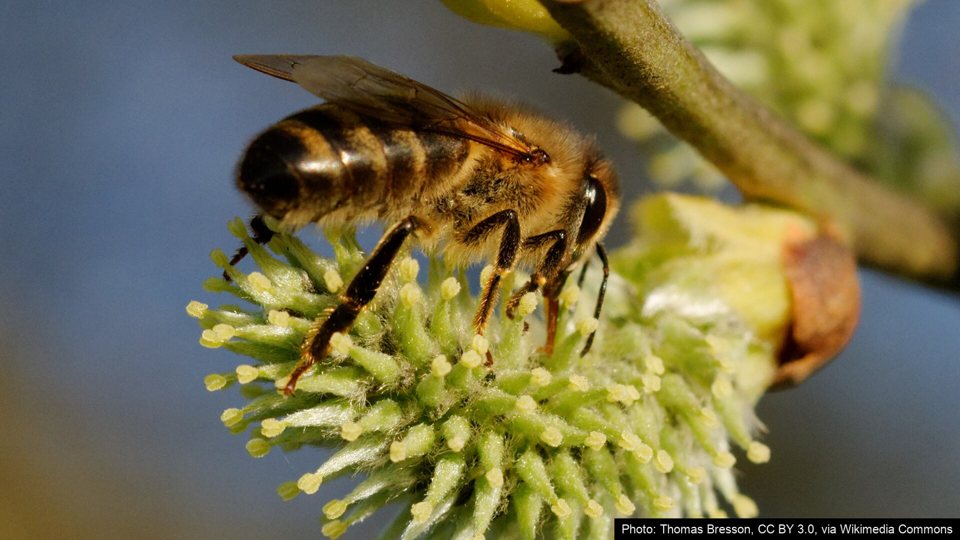
Spring: waking the colony
Early spring without harm: the alive-or-dead check and heft test, feeding a light colony inside the hive, when the wraps come off, when a full inspection is safe, and why every deadout needs a diagnosis.
Watch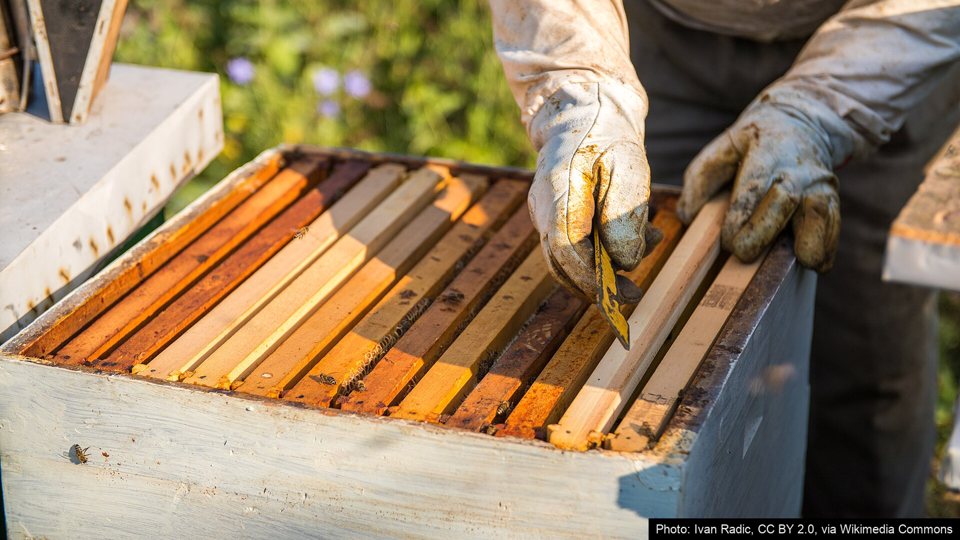
Your first-year calendar, and where to get hands-on help
The whole first year, month by month, the mistakes Ontario's reports see again and again, and where to find hands-on help: local clubs, association workshops, Guelph's courses, and the provincial apiary inspectors.
Watch